Pecan, Ale and a Wooden Spoon: Nottingham's Christmas Pudding Verdict
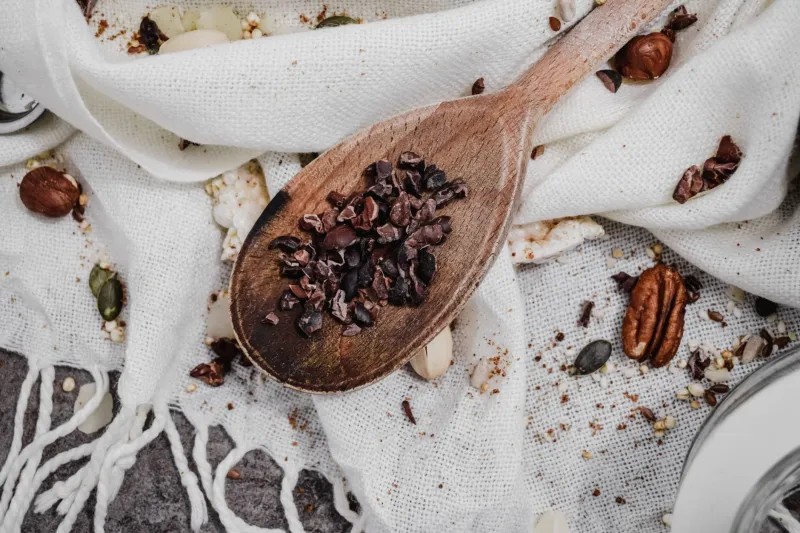
Stir-Up Sunday is one of those food traditions that sounds faintly Victorian until you actually do it: a Sunday in November, a wooden spoon, a bowl of dark fruit, and every willing person in the house giving the mixture a stir and making a wish. This year it falls on 22 November 2026, which gives Nottingham bakers and home cooks a comfortable run-up to Christmas. The only question is whether the pudding itself should stay firmly in the raisin-and-candied-peel lane, or whether it should make room for nuts.
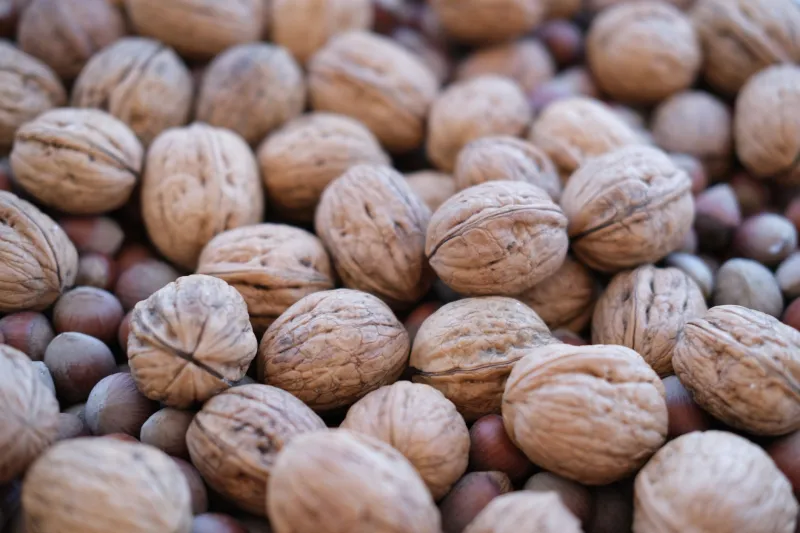
We think it should. Not a token scattering, either. A proper handful of pecans and hazelnuts gives a Christmas pudding a bit of crunch, a softer, rounder flavour against all that treacle and citrus, and a distinctly Nottingham-friendly excuse to use local ale in the mix. So we put the idea to the test: three Nottingham-made puddings from around the city, plus one nutty homemade version, all steamed and served under the same conditions.
Why nuts earn their place in a Christmas pudding
Christmas pudding is already a rich thing. Vine fruits, suet, sugar, spice, citrus, booze: it is a dense little ecosystem. Nuts do not need to dominate it. They need to act like punctuation. Pecans bring a buttery sweetness that works nicely with treacle and cinnamon. Hazelnuts add a more savoury, roasted edge, especially if you toast them first. Together they stop the pudding from being one long, sticky note.
The ale matters too. A Nottingham brown ale or a malty local bottle gives the fruit something to drink without making the pudding taste like a pub carpet. It is gentler than brandy in the mixing stage and leaves a soft, warming finish. You can still feed the pudding with brandy or ale later, but the initial soak is where the character starts.
The four puddings in the running
We kept the line-up deliberately broad. First, a market-stall pudding bought from a stall at Sneinton Market: dark, sticky, traditional, no nuts listed. Second, a deli pudding from Hockley: boozy, orange-heavy, with a fine crumb. Third, a farm-shop pudding from out towards Ruddington: lighter in colour, generous with mixed peel, and a little more restrained on the spice. Fourth, the homemade nutty pudding, made with pecans, hazelnuts and Nottingham ale.
All four were steamed, rested, and served with the same plain custard. We tasted them warm first, then cold the next day, because Christmas pudding is never just a Christmas Day event. Leftovers matter.
How the taste test worked
Each pudding was scored on five things: nuttiness, crumb, booze, generosity and reheatability. Nuttiness was not about how many nuts we could find, but whether they improved the whole mouthful. Crumb covered texture and moisture. Booze was judged on aroma and depth rather than pure alcohol heat. Generosity meant fruit, peel and spice, not just size. Reheatability was a practical check: would this still be good on Boxing Day, or would it collapse into a sweet puddle?
The market-stall pudding was the most traditional of the shop-bought set. It had a good dark colour, plenty of vine fruit and a nice treacly edge, but it was also the least interesting once custard was added. No nuts, no real crunch, and a crumb that leaned a little dry on day two. Good value, but not the one we would rush back for.
The Hockley deli pudding was the booziest. You could smell the brandy before the spoon went in. The orange peel was bright and the texture was fine and even, but the nuts, where they appeared, were more of a rumour than a presence. It would suit anyone who wants a classic, grown-up pudding with a glass of something on the side.
The Ruddington farm-shop pudding was the most balanced of the shop-bought trio. Lighter, yes, but not in a disappointing way. The mixed peel was generous, the spice was warm rather than shouty, and it reheated well. If you are feeding people who claim they do not like Christmas pudding, this is the one to start with.
The homemade nutty pudding wins on character
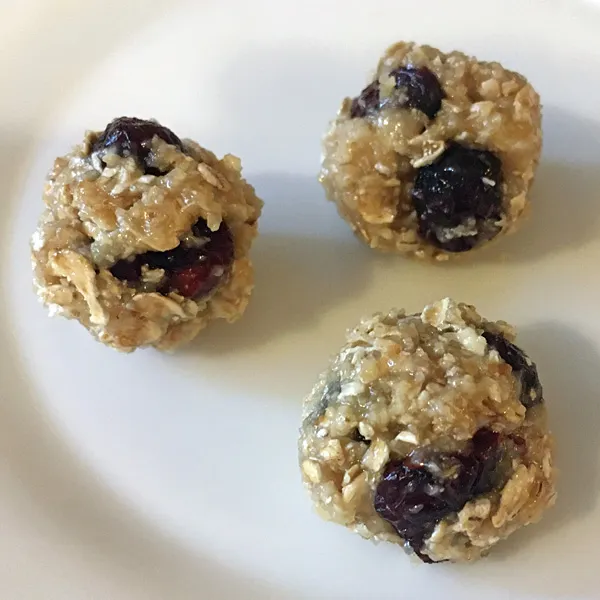
The homemade version was not the neatest pudding in the line-up. It had a rougher top, a darker crumb and visible pieces of pecan and hazelnut. It also tasted the best. The nuts had been toasted before chopping, so they kept their flavour instead of going soft in the steam. The ale brought out the dried fruit, and the texture had just enough bite to stop the pudding feeling like one long spoonful of sticky toffee.
It was also the best on day two. Sliced cold, it held together nicely; reheated, it went soft without turning mushy. That is the real test of a Christmas pudding. Christmas Day is only the opening ceremony.
A Nottingham nutty pudding to make on 22 November
This makes one 1kg pudding or two smaller ones. Smaller puddings are handy if you want to give one away or keep one for January.
You will need 100g pecans, 75g hazelnuts, 150g currants, 150g raisins, 100g sultanas, 50g mixed peel, 75g shredded suet, 75g dark muscovado sugar, 75g fresh breadcrumbs, 1 eating apple grated, the zest of 1 orange and 1 lemon, 1 teaspoon mixed spice, half a teaspoon ground cinnamon, 2 eggs and about 150ml Nottingham ale. A little brandy for feeding later is optional.
Toast the pecans and hazelnuts in a dry pan until they smell nutty, then cool and chop them roughly. Do not blitz them to dust. Mix all the dry ingredients in a large bowl, then add the grated apple, citrus zest, beaten eggs and ale. Stir until everything is combined, but do not beat it into submission. Each person who stirs should make a wish. That is not optional in this house.
Butter your pudding basin, spoon in the mixture, cover with a pleated layer of baking paper and foil, and steam for about six hours. Cool completely, then wrap well and store somewhere cool. Feed it with a spoonful of ale or brandy once a week until Christmas.
Make-ahead timetable for 22 November 2026
Now, 9 November: check your basin, suet and spices. Buy the nuts and ale. If you are soaking fruit in ale overnight, plan that for 21 November.
15 November: toast and chop the nuts, grate the apple, zest the citrus and line the basin. Keep the nuts in a sealed jar so they do not go soft.
21 November: soak the dried fruit in the ale if you want a deeper flavour. A night is plenty.
22 November, Stir-Up Sunday: mix the pudding, let everyone stir, and steam it for six hours. Cool completely before storing.
29 November onwards: feed weekly with ale or brandy. Keep the pudding wrapped and cool.
20 December: re-steam for two hours to refresh it. Cool, rewrap and keep cool.
25 December: re-steam for an hour, turn out, and serve with custard, brandy butter or both. A few extra toasted pecans on top never hurt anyone.
The shop-bought puddings all had their merits, but the homemade nutty one had the thing money cannot quite buy: character. If you are stirring on 22 November, give the pecans and hazelnuts a chance. Nottingham has the ale, the bakers and the appetite. The pudding just needs the nuts.