Beyond Wheat: A Nut-Flour Taste Test for Nottingham’s Gluten-Free Bakers
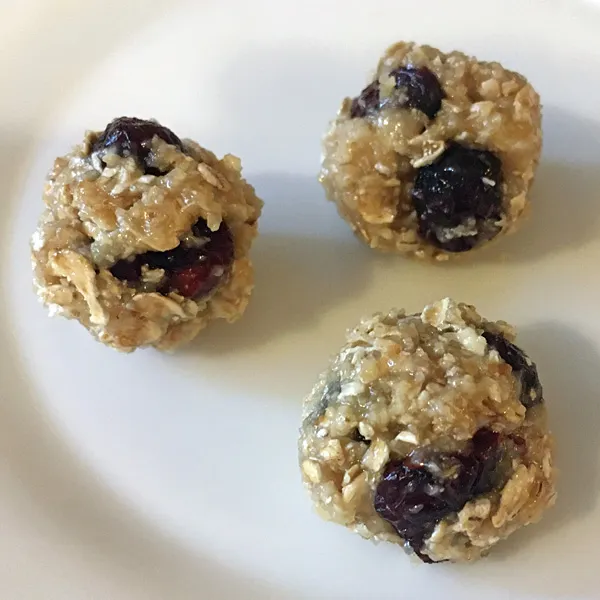
Photo: Luděk Kovář, CC BY-SA 4.0, via Wikimedia Commons
Gluten-free baking has a reputation problem. Too often it means a crumb that dissolves before you’ve finished chewing, or a texture that apologises for itself. Nut flours are the exception. Almond, chestnut and hazelnut bring fat, flavour and structure — and in Nottingham, a handful of bakeries are using them properly.
I spent a week tasting gluten-free nut bakes across the city and baking a few at home. This is not a medical guide; if you are coeliac, always check kitchen practices, not just ingredients. It is a taste test, with notes on what works and what doesn’t.
The test bench
I looked at three flours: almond (ground blanched almonds), chestnut (finely milled, sweet and earthy) and hazelnut (toasted before grinding, ideally). Each was tasted in a plain cake, a shortbread-style biscuit and a brownie. The aim was to see which flour carried which job best.
Almond flour: the crowd-pleaser
Almond flour is the easiest place to start. It makes a moist, tender crumb and a flavour that is rich but not aggressive. In a financier or a friand, it is almost foolproof. The downside is that it can be heavy: without enough egg white or baking powder, cakes sink in the middle. The best version I tried in Nottingham was a brown butter almond friand from a Hockley café — golden edges, a soft centre, and a nutty flavour that lingered without becoming marzipan-sweet.
Texture notes: soft, slightly damp, fine crumb. Best for: friands, financiers, tart fillings, shortbread. Watch out for: density; add a little gluten-free baking powder and don’t overmix.
Chestnut flour: the quiet charmer
Chestnut flour is the one people overlook. It is sweet in an earthy way, with a faint smokiness that works well with chocolate and dark fruit. It makes a crumblier bake than almond, so it suits biscuits and tart crusts more than light sponges. A chestnut shortbread I picked up near the city centre was excellent: sandy texture, deep flavour, not too sweet. In a brownie, it added a subtle savoury note that kept the chocolate from becoming cloying.
Texture notes: crumbly, slightly grainy, absorbs liquid quickly. Best for: shortbread, tart bases, brownies, pancakes. Watch out for: it can dry out a bake; add an extra egg yolk or a spoonful of yoghurt.
Hazelnut flour: the bold one
Hazelnut flour is the most assertive of the three. Toasting the nuts before grinding makes a huge difference — it brings out a roasted, almost coffee-like flavour that stands up to chocolate and caramel. It is brilliant in a brownie or a praline tart, but it can overwhelm a delicate sponge. The best hazelnut bake I tried was a gluten-free hazelnut brownie from a West Bridgford bakery: fudgy, deeply nutty, with a crackly top. It did not taste gluten-free at all, which is the highest compliment.
Texture notes: slightly coarser, rich, oily. Best for: brownies, praline tarts, biscuits, crumble toppings. Watch out for: it browns quickly; lower the oven temperature by 10°C and check early.
What Nottingham bakeries are doing
The city’s gluten-free scene is patchier than it should be, but the nut bakes are often the strongest options. Cafés in Hockley and the Lace Market tend to use almond flour for financiers and friands; a couple of bakeries in West Bridgford and Sherwood are experimenting with chestnut and hazelnut. The common mistake is treating nut flour as a straight swap for wheat flour. It is not. Nut flours need more egg, less liquid and a gentler bake. The bakers getting it right are the ones adjusting the whole recipe, not just the flour.
Where to buy nut flours locally
- Health food shops around Sherwood and West Bridgford stock almond and hazelnut flour, usually in 500g bags.
- Nottingham’s indoor market has a stall selling freshly ground almonds and hazelnuts; ask for the fine grind for baking.
- Zero-waste shops in the city centre often sell nut flours by weight — good if you only need 200g for a recipe.
- Larger supermarkets carry ground almonds reliably; chestnut flour is more of a specialist order, so check delis or online.
A starter bake: brown butter almond friands
If you want to try nut flour at home, start here. Friands are forgiving, quick and made in a muffin tin. You need 100g ground almonds, 60g gluten-free plain flour, 120g icing sugar, 3 egg whites, 100g browned butter and a pinch of salt. Whisk the egg whites to soft peaks, fold in the dry ingredients, then the butter. Bake at 190°C for 15–18 minutes. Eat warm. The point is not perfection; it is getting used to how almond flour behaves.
Verdict
Almond is the safe pair of hands. Chestnut is the one to watch for biscuits and brownies. Hazelnut is the loud one, best in small doses and brilliant with chocolate. For Nottingham’s gluten-free sweet tooths, the message is simple: stop looking for a wheat substitute and start treating nut flours as their own ingredient. That is when the bakes get good.
Tasted and tested November 2026. Check allergen advice with each bakery.